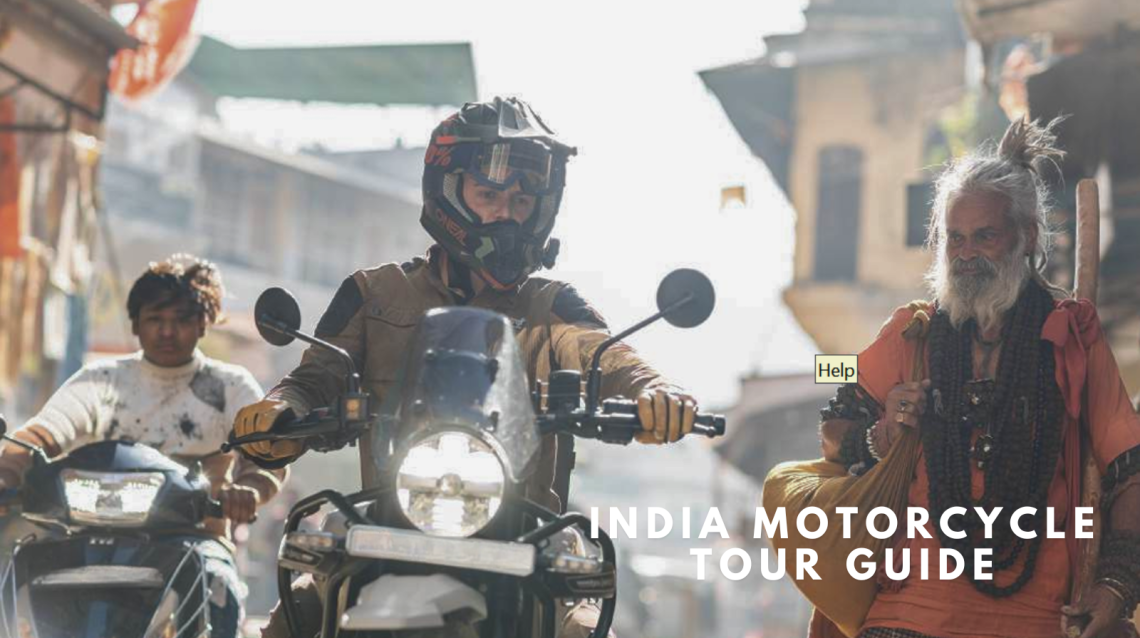
Whether you’re gearing up for a motorcycle road trip through the mountains or cruising along coastal highways, this India Motorcycle Tours Guide is your key to exploring one of the most exciting places to ride. From the Himalayas to Goa, the country offers some of the most thrilling motorcycle routes in the world. Ready to experience it? Here’s everything you need to know to plan the ride of a lifetime.
India’s Climate: When to Ride and What to Expect
Before you pack your bags and hop on that bike, you’ll want to know the weather. India’s climate is as diverse as the country itself—riding in India will be a completely different experience depending on where you go and when.
- Winter (October to March) is the best time for a motorcycle tour in India. The temperatures are comfortable, especially in the north and desert regions like Rajasthan. If you’ve got your eye on the Leh-Ladakh tour in 2026 or riding through the Himalayan foothills, this is prime time.
- Summer (March to June) can be intense. The heat in cities like Delhi and Jaipur will make your ride a bit of a challenge, especially if you’re traveling long distances. But, if you head south to Goa or Kerala, you can still enjoy beautiful weather without feeling like you’re baking on the road.
- Monsoon (June to September) brings heavy rain, especially in the west and coastal areas. Sure, it’s a fantastic time for lush, green landscapes, but the roads can get slippery, making riding less than ideal unless you’re prepared.
Currency in India: What You Need to Know
Before you take off, let’s talk money. The official currency of India is the Indian Rupee (INR), and here’s the thing—you’ll need cash for many things, even in major cities. Sure, credit cards work in most restaurants and hotels, but street food stalls, small shops, and rural areas? You’ll need to have cash on hand.
- ATMs are everywhere in cities, but smaller towns might not have them. So, stock up when you’re in a city.
- Forex exchanges can be found at the airport, hotels, and authorized exchange centers if you need to convert your money.
Pro Tip: Always carry some small bills (₹100, ₹200). Trust me, they come in handy for tipping, snacks, or local rides.
Language in India: The Basics You Need to Know
India is a linguistic treasure trove, and although English is widely spoken, especially in big cities, it helps to know a few words in Hindi—or even the local language, depending on where you are. In Delhi, Mumbai, and Bangalore, you’ll get by just fine with English.
- Hindi is the most common language. But if you’re riding in Tamil Nadu (southern India), you might want to know a few phrases in Tamil.
A simple “Shukriya” (thank you) or “Kahan jaana hai?” (Where do you want to go?) will go a long way in building rapport with locals.
Pro Tip: If you’re traveling to remote areas, downloading a translation app like Google Translate can be a lifesaver.
Cuisines in India: A Feast for Your Senses
Let’s talk food—because in India, food is everything. You can’t ride through India without sampling some of its iconic dishes. Every region has its own flavor, and here’s a taste of what you can expect:
- North India: Get your fill of butter chicken, dal makhani, and warm naan bread.
- South India: Don’t miss out on dosa, idli, and spicy sambar. Breakfast in southern India? It’s heaven.
- Goa: Enjoy fresh, spicy seafood, especially the prawn curry or fish fry.
- Street Food: From pani puri in Delhi to vada pav in Mumbai, you’ll find tons of flavorful (and often cheap) street food that’s perfect for a break during your ride.
Pro Tip: Stick to bottled water and avoid ice unless you’re sure it’s clean. Trust me, this will save you from any stomach problems.
Passport & Visa: What You Need to Enter India
Alright, before you can start your journey, make sure your passport and visa are sorted. Most foreign nationals will need a tourist visa to enter India.
- Tourist Visa: A standard visa for travelers coming to India for sightseeing or adventure.
- E-Visa: India offers an e-visa for citizens of many countries—it’s quick, convenient, and valid for 60 days.
Pro Tip: Apply for your visa well in advance so you don’t run into any last-minute issues. Double-check your passport’s validity, as it needs to be valid for at least six months after your planned return date.
Gear You Can’t Leave Without on an India Motorcycle Tour
Planning to ride through India? You’ll need more than just your bike. Here’s a checklist of essential gear to ensure you’re safe and comfortable on your trip:
- Helmet: You need a high-quality helmet, and make sure it’s ISI-certified. It’s required by law, and most importantly, it keeps you safe.
- Protective Gear: Invest in a riding jacket, gloves, and knee guards. India’s roads can be unpredictable, and you’ll want to be prepared for anything.
- First Aid Kit: Pack a basic first aid kit—bandages, antiseptic wipes, and pain relievers. It’s always better to be safe than sorry.
- GPS & Maps: Google Maps works great, but having a backup map or offline GPS is essential for navigating remote areas.
- Water: You’ll need water—plenty of it—especially in the hot, dry regions like Rajasthan and Uttar Pradesh.
Pro Tip: Wear long sleeves and boots to protect your skin from the sun and the dust.
First Aid Kit: Don’t Hit the Road Without It
A first aid kit is non-negotiable, especially if you’re riding in rural areas or planning long, solo rides. Make sure it has:
- Bandages, antiseptic, and gauze.
- Pain relievers and basic medications.
- Anti-allergy medicine for those pesky bites.
- Electrolyte tablets for dehydration (you’ll thank me in the desert heat).
- Personal medications you can’t live without.
Traffic in India: Brace Yourself
India’s traffic can be, well… crazy. But that’s part of the adventure, right? You’ll see people on motorcycles, rickshaws, even cows crossing the road. It’s all part of the chaos.
- Be aware of lane discipline (or the lack thereof). Drivers will switch lanes without warning, so always keep your eyes peeled.
- Pedestrians, cyclists, and vendors pop up everywhere. They don’t always follow the road rules, so expect the unexpected.
Pro Tip: Always ride defensively. Don’t trust that the other guy will follow the rules—stay alert, stay safe.
Emergency Contacts: Better Safe Than Sorry
Here’s a list of emergency numbers to keep on hand while you’re on the road:
- Police: 100
- Ambulance: 102
- Fire Department: 101
- Roadside Assistance: Many motorcycle rental companies in India offer 24/7 support—be sure to grab that number when you pick up your bike.
Toll Roads & Highways: Smooth Rides Await
India’s highway system has vastly improved, with well-maintained national highways connecting major cities, making it easier for motorcyclists to explore the country. However, it’s important to be aware of certain tolls and restrictions along the way.
- Toll Roads: For most two-wheelers, tolls are free on most highways, except for certain expressways like the Yamuna Expressway and a few others. On these specific highways, you will need to pay a toll for entry.
- Restrictions on Two-Wheelers: Some major expressways do not allow motorcycles. For example:
- The Delhi-Mumbai Expressway and Delhi-Meerut Expressway prohibit two-wheelers. Riding a motorcycle on these highways is not only illegal but could lead to a hefty fine if caught.
- Always check local regulations and road signs to avoid fine or penalties.
- National Highways: Roads like the Delhi-Agra Expressway are well-maintained, offering a smoother and more comfortable ride for motorcycles. For most other highways, tolls are generally free for two-wheelers.
Pro Tip: While most toll roads are free for motorcycles, always carry cash for tolls on expressways like Yamuna Expressway. Also, avoid restricted highways, and make sure to check road signs for access rules.
Ready to do an India Motorcycle Tour? Rent a premium motorcycle with Stoneheadbikes (Official Royal Enfield Rentals & Tour Partner) today and start your unforgettable journey!